Smart Accessories: How Technology Is Making Everyday Life Easier
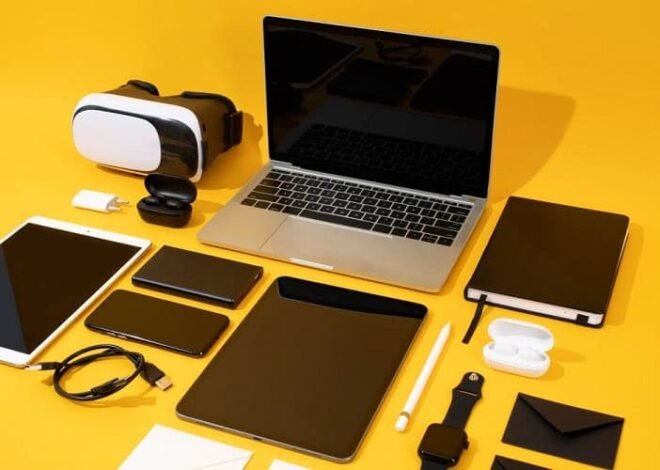
Smart accessories have become an important part of modern life. A few years ago, accessories were mainly designed to improve appearance or provide basic convenience. Today, technology has changed that idea completely. From smartwatches and wireless earbuds to fitness trackers, smart rings, and connected glasses, accessories can now do much more than simply complement our phones or outfits.
The growing popularity of smart accessories shows how people are looking for easier, faster, and more connected ways to manage their daily routines. These devices can help us stay connected, monitor our health, organize our schedules, enjoy entertainment, and even improve productivity.
But what exactly makes an accessory “smart”? Why are people investing in these devices, and which types are worth considering? Let’s explore how smart accessories are changing everyday life and what you should know before choosing them.
What Are Smart Accessories?
Smart accessories are electronic or connected devices designed to provide useful features beyond the basic purpose of a traditional accessory. Most of them connect to a smartphone, tablet, computer, or the internet through technologies such as Bluetooth, Wi-Fi, NFC, or mobile networks.
A smartwatch, for example, is more than a traditional watch because it can display notifications, track physical activity, monitor certain health measurements, control music, and sometimes make calls. Similarly, wireless earbuds can provide hands-free communication, noise cancellation, voice assistant support, and other intelligent features.
The main purpose of smart accessories is convenience. Instead of constantly reaching for a smartphone or another device, users can access important information directly through an accessory they are already wearing or carrying.
Popular Types of Smart Accessories
There are many different smart accessories available today, and each category serves a different purpose.
Smartwatches
Smartwatches are among the most popular smart accessories. They combine the functions of a traditional watch with features commonly found on smartphones and fitness trackers.
Depending on the model, a smartwatch can show incoming messages, calls, calendar reminders, weather information, and app notifications. Many models also include fitness features such as step counting, workout tracking, sleep monitoring, and heart-rate measurements.
For busy people, a smartwatch can be especially useful because it allows them to quickly check important information without taking their phone out of their pocket.
Wireless Earbuds
Wireless earbuds have transformed the way people listen to music, podcasts, and online content. Without traditional cables, they offer greater freedom of movement and a cleaner design.
Modern earbuds can include active noise cancellation, transparency modes, touch controls, microphones, voice assistant integration, and automatic device switching. Some models are designed specifically for exercise, while others focus on premium audio quality.
For commuters, students, travelers, and professionals, wireless earbuds can be a practical everyday accessory.
Fitness Trackers
Fitness trackers are another popular category. They are designed to help users understand their daily physical activity and develop healthier habits.
Depending on the device, a fitness tracker may count steps, estimate calories burned, monitor sleep patterns, record workouts, and provide reminders to move. Some advanced models offer additional health-related measurements.
The biggest benefit of a fitness tracker is awareness. Seeing daily activity levels can encourage people to move more and become more consistent with their fitness goals.
Smart Rings
Smart rings are smaller and more discreet than smartwatches. Despite their compact size, some models can collect information related to sleep, activity, recovery, and other aspects of daily wellness.
Their minimal design makes them attractive to people who do not want to wear a large device on their wrist. As technology continues to improve, smart rings are becoming an interesting alternative to traditional wearable devices.
Smart Glasses
Smart glasses are an emerging category of wearable technology. Depending on the product, they may include cameras, speakers, microphones, voice controls, navigation features, or augmented-reality capabilities.
Although smart glasses are still developing compared with more established accessories, they have the potential to change how people interact with digital information. Instead of looking down at a phone, users could eventually access certain information directly through their field of view or through audio.
Benefits of Smart Accessories
One of the biggest advantages of smart accessories is convenience. They allow people to access information and perform simple tasks without constantly using a smartphone.
For example, receiving a notification on a smartwatch can save you from checking your phone during a meeting or while exercising. Similarly, wireless earbuds allow you to answer a call while keeping your hands free.
Another major benefit is connectivity. Smart accessories can create a more connected experience between different devices. A smartwatch, smartphone, earbuds, and laptop can work together as part of a larger digital ecosystem.
Health and fitness are also important reasons people choose smart accessories. Wearable devices can provide information about activity, sleep, workouts, and other personal metrics. While these devices should not replace professional medical advice, they can help users become more aware of their everyday habits.
Smart accessories can also improve productivity. Calendar alerts, reminders, voice commands, quick notifications, and hands-free communication can make it easier to manage a busy schedule.
Choosing the Right Smart Accessories
With so many options available, choosing the right smart accessory can sometimes feel overwhelming. The best choice depends on your needs rather than simply buying the newest or most expensive product.
Start by considering what you actually want the accessory to do. If your main goal is fitness tracking, a dedicated fitness tracker or health-focused smartwatch may be more suitable. If entertainment is your priority, high-quality wireless earbuds might provide greater value.
Compatibility is another important factor. Before buying a smart accessory, check whether it works properly with your smartphone and other devices. Some accessories provide better features when paired with devices from the same ecosystem.
Battery life should also be considered. A device with excellent features can become frustrating if it needs to be charged several times a day.
Comfort is especially important for wearable accessories. A smartwatch, ring, or pair of earbuds may be used for many hours, so the design should feel comfortable during everyday activities.
Finally, consider privacy and security. Smart accessories can collect personal information, including activity data, location information, or voice recordings. Always review the manufacturer’s privacy settings and understand what information the device collects and how it is used.
Are Smart Accessories Worth Buying?
For many people, smart accessories can be worth the investment because they provide useful features in small and convenient devices. However, not every accessory is necessary for everyone.
Before purchasing one, think about whether it solves a real problem in your daily life. If a device helps you stay organized, communicate more easily, exercise consistently, or enjoy entertainment more conveniently, it may provide meaningful value.
On the other hand, buying a device simply because it is fashionable or has a long list of features may not be the best decision. Technology should make life easier, not create another complicated device that you rarely use.
It is also helpful to compare battery life, compatibility, durability, features, software support, and overall cost before making a purchase.
The Future of Smart Accessories
The future of smart accessories looks promising. As technology becomes smaller and more efficient, wearable devices are likely to become even more capable.
Artificial intelligence is expected to play an increasingly important role. Instead of simply collecting information, future accessories may be able to understand patterns and provide more personalized assistance.
For example, wearable devices could become better at recognizing user preferences, providing context-aware reminders, translating conversations, assisting with navigation, and helping users manage their daily routines.
Health-focused technology is another area with significant potential. Future wearables may offer more advanced monitoring capabilities while becoming smaller and more comfortable.
However, the growth of smart accessories will also create important conversations about privacy, data protection, security, and responsible use. As these devices become more integrated into everyday life, users will need greater control over their personal information.
Frequently Asked Questions
1. What are smart accessories?
Smart accessories are connected electronic devices that provide advanced features beyond the basic function of traditional accessories. Examples include smartwatches, wireless earbuds, fitness trackers, smart rings, and smart glasses.
2. What are the most popular smart accessories?
Smartwatches, wireless earbuds, fitness trackers, and smart rings are among the most popular smart accessories. Their popularity comes from their combination of convenience, connectivity, entertainment, and health-related features.
3. Are smart accessories compatible with all smartphones?
Not always. Compatibility depends on the specific accessory and smartphone operating system. Before purchasing a device, users should check whether it supports their phone and whether all features are available on their particular platform.
4. Can smart accessories improve productivity?
Yes. Smart accessories can help with productivity by providing notifications, reminders, calendar alerts, voice controls, hands-free communication, and quick access to important information without requiring users to constantly check their phones.
5. What should I consider before buying a smart accessory?
Consider the device’s purpose, compatibility, battery life, comfort, features, durability, price, privacy policies, and software support. Choosing an accessory based on your actual needs is usually better than simply buying the newest model.
Final Thoughts
Smart accessories are no longer just futuristic gadgets. They have become practical tools that can make everyday activities more convenient, connected, and organized. Whether it is a smartwatch that keeps you updated, wireless earbuds that make communication easier, or a fitness tracker that encourages an active lifestyle, there are many ways these devices can add value.
The key is to choose technology based on your actual needs. A useful smart accessory should fit naturally into your lifestyle rather than forcing you to change your routine around it.
As wearable technology continues to develop, smart accessories are likely to become even more intelligent, personalized, and useful. For consumers, the future offers exciting possibilities—but making thoughtful choices and paying attention to privacy and compatibility will remain just as important as having the latest features.