Modern Technology: How It Is Changing Our Lives
Modern technology has become an essential part of everyday life. From the smartphone in our hands to the internet that connects people across the world, technology has changed the way we communicate, work, learn, travel, and entertain ourselves. What once seemed impossible is now part of our normal routine. People can attend meetings from different countries, learn new skills online, order products from home, and communicate instantly with friends and family.
The growth of technology has also changed businesses and industries. Companies now use digital tools to manage their operations, understand customers, protect information, and develop new products. At the same time, modern technology continues to create new opportunities for individuals, students, entrepreneurs, and professionals.
What Is Modern Technology?
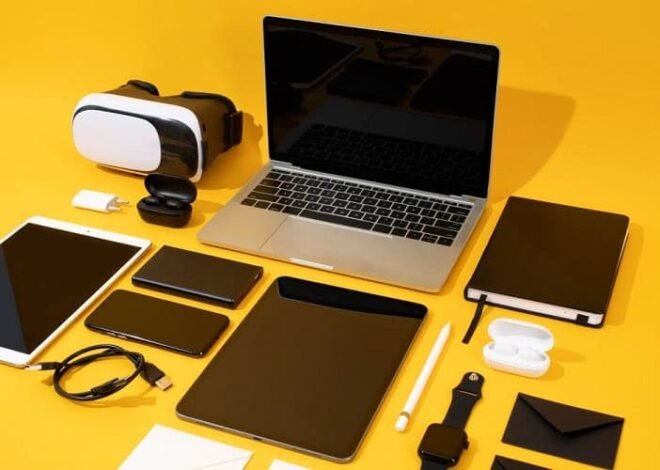
Modern technology refers to the latest tools, systems, machines, and digital solutions developed to make human activities easier, faster, safer, or more efficient. It includes a wide range of innovations, such as artificial intelligence, smartphones, cloud computing, robotics, smart devices, renewable energy systems, and advanced communication networks.
Unlike technology in the past, many modern technologies are highly connected. A smartphone, for example, can be used to communicate, access information, make payments, take photographs, navigate roads, and control smart devices at home. This level of convenience has made technology deeply connected to everyday activities.
Modern technology is not limited to computers or electronic gadgets. It also includes advancements in medicine, transportation, agriculture, manufacturing, education, and environmental protection.
The Role of Modern Technology in Daily Life
Technology plays a major role in how people manage their daily routines. Smartphones allow users to stay connected through calls, messages, video chats, and social media. Online banking makes it possible to transfer money and pay bills without visiting a bank. Shopping platforms allow consumers to purchase products from almost anywhere.
Entertainment has also changed significantly. People can stream movies, listen to music, play online games, and follow their favorite content creators whenever they want. Instead of depending entirely on traditional television or physical media, users now have access to enormous amounts of digital content.
Smart home technology is another example. Devices such as smart lights, security cameras, thermostats, and voice assistants can be controlled through mobile applications or other connected systems. These technologies can improve convenience while helping people manage their homes more efficiently.
Modern Technology in Education
Education is one of the areas that has benefited greatly from technological development. Students are no longer limited to information available in physical textbooks or local libraries. The internet provides access to courses, digital books, educational videos, research materials, and interactive learning platforms.
Online education has made learning more flexible. A student can attend a class from home, watch recorded lectures, complete digital assignments, and communicate with teachers through online platforms. This can be particularly useful for people who cannot attend traditional classrooms because of distance, work, or other responsibilities.
Teachers also use technology to make lessons more engaging. Presentations, educational applications, virtual laboratories, and interactive exercises can help students understand difficult subjects. However, technology works best when it supports good teaching rather than completely replacing human interaction.
The Impact on Business and Work
Modern technology has transformed the workplace. Many tasks that once required hours of manual effort can now be completed with digital tools. Businesses use software to organize data, communicate with employees, manage finances, monitor inventory, and communicate with customers.
Remote work has become another important development. Employees can collaborate through video conferencing, messaging applications, project-management platforms, and cloud-based documents. As a result, people can work together even when they are located in different cities or countries.
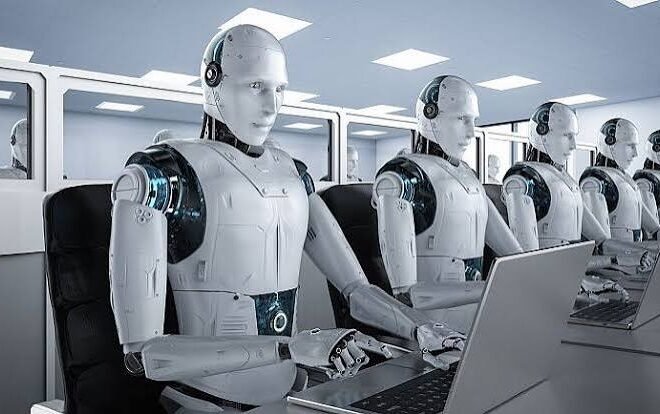
Artificial intelligence is also becoming increasingly important in many industries. AI systems can analyze large amounts of information, automate repetitive tasks, assist with customer service, and support decision-making. While these tools can improve productivity, organizations also need to consider issues such as accuracy, privacy, security, and the changing nature of employment.
Modern Technology in Healthcare
Healthcare has experienced major technological improvements. Doctors and medical professionals now have access to advanced diagnostic equipment, digital health records, remote consultations, and sophisticated treatment methods.
Telemedicine allows patients to communicate with healthcare professionals without always needing to travel to a clinic. This can make healthcare more accessible, especially for people living far from medical facilities.
Wearable devices are another growing area. Smartwatches and fitness trackers can monitor information such as physical activity, heart rate, and sleep patterns. Although these devices are not a replacement for professional medical care, they can encourage people to pay more attention to their general well-being.
Technology is also helping researchers develop new treatments and understand diseases more effectively. As computing power and scientific tools continue to improve, healthcare may become even more personalized and efficient.
Technology and Communication
Communication may be one of the clearest examples of how technology has changed society. In the past, communicating across long distances could take days or even weeks. Today, messages can reach another person almost instantly.
Video calls allow families, friends, students, and coworkers to see and speak with one another regardless of distance. Social media platforms have created new ways for people to share ideas, experiences, news, and creative work.
However, faster communication also comes with challenges. False information can spread quickly, and excessive use of social media may affect people’s attention and personal relationships. For this reason, responsible digital communication is becoming increasingly important.
Advantages of Modern Technology
Modern technology offers many benefits. One of its biggest advantages is convenience. Tasks such as shopping, banking, learning, communicating, and managing information can often be completed from a single device.
Technology can also increase productivity. Automated systems can handle repetitive processes, allowing people to focus on tasks that require creativity, judgment, and problem-solving.
Another major advantage is access to information. People can research almost any topic within seconds. This access can support education, professional development, and informed decision-making.
Technology can also improve safety and efficiency. Navigation systems help people find routes, digital security tools protect information, and advanced machines can perform dangerous tasks in industrial environments.
Disadvantages and Challenges
Despite its benefits, modern technology also creates several challenges. Privacy is a major concern because many digital services collect information about their users. People need to understand how their data is collected, stored, and used.
Cybersecurity is another important issue. Viruses, scams, identity theft, and data breaches can cause serious financial and personal damage. Strong passwords, security updates, two-factor authentication, and careful online behavior can reduce some of these risks.
Another concern is excessive screen time. Spending too much time on phones, computers, or social media can affect sleep, concentration, physical activity, and face-to-face communication.
There is also concern about employment. Automation and artificial intelligence may reduce the need for certain repetitive jobs while creating demand for new skills. This means workers may need to continue learning and adapting as technology develops.
The Future of Modern Technology
The future of technology is likely to be even more connected and intelligent. Artificial intelligence, robotics, advanced computing, renewable energy, and smart infrastructure may play increasingly important roles in society.
Future technologies could improve transportation, reduce energy consumption, support medical research, and make cities more efficient. Autonomous systems may become more common, while intelligent software could assist people with increasingly complex tasks.
However, technological progress should not be measured only by how advanced a device or system is. Responsible development is equally important. Privacy, security, accessibility, environmental impact, and ethical considerations should be part of technological innovation.
Frequently Asked Questions
1. What is modern technology?
Modern technology refers to recent tools, systems, machines, and digital solutions designed to make human activities easier, faster, safer, or more efficient. It includes artificial intelligence, smartphones, cloud computing, robotics, smart devices, and many other innovations.
2. Why is modern technology important?
Modern technology is important because it improves communication, education, healthcare, transportation, business, and everyday activities. It can save time, increase productivity, and provide people with easier access to information and services.
3. How does modern technology affect education?
Technology gives students access to online courses, digital books, educational videos, research resources, and interactive learning tools. It also allows teachers to use digital materials and communicate with students more easily.
4. What are the main benefits of modern technology?
The main benefits include greater convenience, faster communication, improved productivity, better access to information, advanced healthcare, and more efficient business processes. Technology can also help people solve complex problems and perform tasks more effectively.
5. What are the disadvantages of modern technology?
Some disadvantages include privacy concerns, cybersecurity threats, misinformation, excessive screen time, digital addiction, and potential job displacement caused by automation. Responsible use is important for reducing these risks.
6. How has technology changed communication?
Technology has made communication almost instant. People can use messaging services, email, social media, and video calls to communicate with others around the world without waiting for traditional mail or traveling long distances.
Conclusion
Modern technology has changed almost every part of human life. It has made communication faster, education more accessible, businesses more efficient, and healthcare more advanced. It provides countless opportunities for people to learn, work, create, and connect.
At the same time, technology comes with responsibilities. Privacy risks, cybersecurity threats, misinformation, excessive screen time, and changes in employment show that innovation must be approached carefully.
The goal should not be to use technology simply because it is new. Instead, people should choose technologies that genuinely improve their lives and use them responsibly. When combined with human creativity, critical thinking, and ethical decision-making, modern technology can become a powerful tool for building a more connected and productive future.