Useful Devices: Smart Technology That Makes Everyday Life Easier
Technology has become an important part of everyday life. From the moment we wake up until we go to bed, we use different devices to communicate, work, study, relax, and manage our daily responsibilities. Some gadgets are designed mainly for entertainment, while others can genuinely save time and make everyday tasks easier. These are often known as useful devices.
Useful devices do not always have to be expensive or complicated. A simple smart plug, wireless charger, smartwatch, or portable power bank can make a noticeable difference in your routine. The best device is usually one that solves a real problem and fits naturally into your lifestyle.
In this article, we will look at some of the most useful devices for modern life, how they can help, and what you should consider before buying them.
What Are Useful Devices?
Useful devices are electronic gadgets or smart tools that provide practical benefits in everyday situations. They can help people save time, stay connected, improve productivity, monitor their health and fitness, or make their homes more comfortable.
For example, a smartphone can handle communication, navigation, photography, banking, entertainment, and countless other tasks. A laptop can be used for education, professional work, business, and creative projects. Similarly, smaller gadgets can solve specific problems that people face regularly.
The value of a device is not necessarily determined by its price. A relatively affordable gadget can sometimes be more useful than an expensive product with features you never use. Therefore, it is important to think about your actual needs before purchasing new technology.
Smartphones
A smartphone is one of the most useful devices in modern life. It combines several technologies into one compact product. In addition to making calls and sending messages, smartphones can be used for video calls, online shopping, navigation, photography, banking, social media, education, and entertainment.
Modern smartphones also provide access to thousands of applications. These apps can help users organize schedules, track expenses, learn new skills, manage work projects, and communicate with people around the world.
However, choosing a smartphone should depend on how you intend to use it. Someone who mainly needs communication and basic apps may not need a premium model. On the other hand, photographers, gamers, and professionals may benefit from better cameras, faster processors, larger displays, and additional storage.
Laptops and Tablets
Laptops remain essential useful devices for students, employees, freelancers, and business owners. They provide a larger screen and a more comfortable working environment than most smartphones.
A laptop is particularly useful for writing documents, attending online meetings, managing websites, editing videos, programming, creating presentations, and handling professional software. For people who work remotely, a reliable laptop can become the center of their daily workflow.
Tablets offer a middle ground between smartphones and laptops. They are lightweight and convenient for reading, watching videos, taking notes, browsing the internet, and attending online classes. With a compatible keyboard and stylus, some tablets can also be used for professional tasks.
Smartwatches and Fitness Trackers
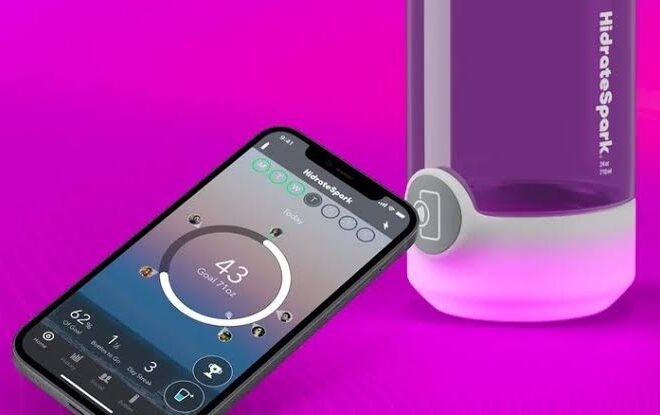
Smartwatches have become popular because they provide useful information without requiring users to constantly check their phones. Depending on the model, a smartwatch can display notifications, track physical activity, monitor heart rate, provide reminders, control music, and assist with navigation.
Fitness trackers are generally more focused on health and activity-related features. They can help users monitor steps, workouts, sleep patterns, and other aspects of their daily routine.
One of the biggest advantages of these devices is convenience. A quick glance at your wrist can tell you whether you have received an important notification or how active you have been during the day.
Of course, health-related measurements from consumer devices should not automatically be treated as medical diagnoses. They are best used as general information and as a way to encourage healthier habits.
Wireless Earbuds and Headphones
Wireless earbuds and headphones are another example of useful devices that can make everyday activities more convenient. They are particularly helpful for people who listen to music, podcasts, audiobooks, or online lectures.
Students can use them for educational content, while professionals can use headphones during online meetings. Noise-canceling models can also make travel and busy environments more comfortable by reducing surrounding sounds.
When choosing wireless earbuds, battery life, comfort, sound quality, microphone performance, durability, and connection reliability are all worth considering. A device that sounds excellent but becomes uncomfortable after a short time may not be the most practical choice.
Power Banks and Charging Devices
A low phone battery can be frustrating, especially when you are traveling or away from a power outlet. A power bank provides a simple solution by allowing users to recharge compatible devices while on the move.
Power banks are particularly useful for travelers, students, outdoor workers, and people who spend long periods away from home. When purchasing one, consider its capacity, charging speed, size, weight, and compatibility with your devices.
Wireless chargers are also convenient for people who prefer a cleaner and more organized setup. Instead of repeatedly plugging and unplugging a cable, users can place a compatible device on the charging surface.
Smart Home Devices
Smart home technology has changed the way many people interact with their homes. Smart bulbs, smart plugs, smart speakers, security cameras, and connected thermostats can make everyday tasks easier.
For example, a smart bulb can be controlled through an app or voice command. A smart plug can allow users to remotely turn certain appliances on or off. Smart speakers can provide information, play music, set reminders, and control compatible devices.
These products can be particularly useful for people who want greater convenience or automation. However, buyers should also consider privacy and security. Strong passwords, software updates, and secure home networks are important when connecting devices to the internet.
Portable Projectors
Portable projectors are useful devices for entertainment, education, and presentations. Instead of relying on a television or large fixed screen, users can create a larger viewing experience in different locations.
A portable projector can be useful for movie nights, presentations, classroom activities, gaming, or displaying photographs. Before purchasing one, it is important to check brightness, resolution, battery life, connectivity options, and compatibility with the devices you plan to use.
While projectors can be extremely convenient, their performance can depend heavily on the room and lighting conditions. A darker environment generally provides a better viewing experience.
E-Readers
For people who enjoy reading, an e-reader can be one of the most useful devices available. Unlike a traditional tablet, an e-reader is specifically designed for digital books and usually focuses on providing a comfortable reading experience.
An e-reader allows users to carry hundreds or even thousands of books in a single lightweight device. This makes it particularly convenient for travelers and people who enjoy reading in different locations.
Many e-readers also offer adjustable text sizes and built-in lighting, which can make reading more flexible. However, readers who prefer physical books may still find traditional paper books more enjoyable.
How to Choose the Right Useful Devices
With so many gadgets available, it is easy to purchase devices that look impressive but provide little real value. Before buying anything, ask yourself what problem the device will solve.
Consider the following factors:
- Purpose: Make sure the device has a practical purpose in your daily life.
- Compatibility: Check whether it works with your smartphone, computer, operating system, or other equipment.
- Battery life: For portable devices, longer battery life can make a significant difference.
- Durability: A well-built device may provide better value over time.
- Security: Internet-connected devices should have reliable security features and regular updates.
- Price: Compare the features you actually need rather than simply choosing the most expensive option.
- Ease of use: A useful device should make life easier, not create unnecessary complications.
It is also wise to read independent reviews and user feedback before making a purchase. Specifications can tell you what a product is capable of doing, but real-world experiences can reveal information about comfort, reliability, battery performance, and long-term use.
The Future of Useful Devices
Technology is continuing to develop rapidly. Future devices are likely to become smaller, smarter, more energy-efficient, and more connected. Artificial intelligence is already being integrated into many consumer products, helping devices understand commands, automate tasks, and provide personalized experiences.
Wearable technology may become more advanced, while smart home systems could become easier to control. Improvements in batteries, wireless connectivity, and energy efficiency may also make portable devices more practical.
Despite these developments, the basic idea behind useful technology will remain the same: a good device should provide genuine value. New features are not necessarily better if they do not solve a real problem.
Frequently Asked Questions
1. What are the most useful devices for everyday life?
Some of the most useful devices include smartphones, laptops, wireless earbuds, power banks, smartwatches, tablets, and smart home products. The best choice depends on your personal needs and lifestyle.
2. Are expensive devices always more useful?
No. A higher price does not automatically mean a device will be more useful. A less expensive product may be a better choice if it provides the features you actually need without unnecessary extras.
3. What should I consider before buying a useful device?
You should consider the device’s purpose, compatibility, battery life, durability, security, ease of use, and price. Reading reliable reviews can also help you make a better decision.
4. Are smart home devices worth buying?
Smart home devices can be worthwhile if you value convenience and automation. Smart bulbs, plugs, speakers, and security devices can simplify everyday tasks, but users should also pay attention to privacy and security.
5. How can useful devices improve daily life?
Useful devices can save time, improve communication, support productivity, provide entertainment, assist with organization, and make certain tasks more convenient. Their benefits depend on how well they match the user’s actual needs.
Conclusion
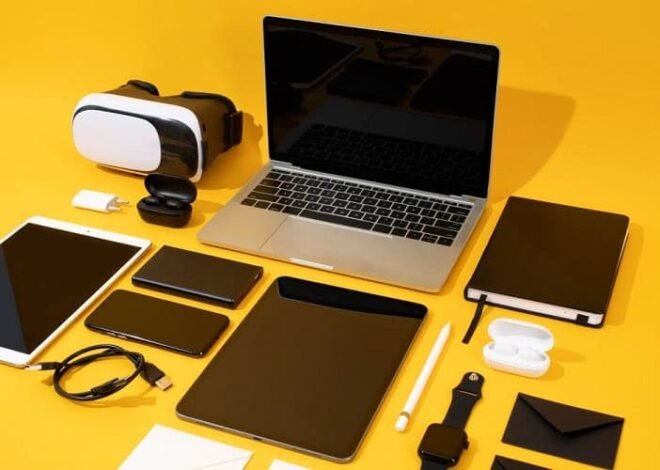
Useful devices have become an important part of modern living. Smartphones, laptops, tablets, smartwatches, wireless earbuds, power banks, smart home gadgets, projectors, and e-readers can all make specific aspects of daily life easier.
The key is not to collect as many gadgets as possible. Instead, choose technology based on your needs, lifestyle, budget, and daily routine. A device becomes truly useful when it saves time, improves productivity, provides convenience, or helps you accomplish something more easily.
As technology continues to evolve, consumers will have more choices than ever. Making thoughtful purchasing decisions can help ensure that the devices you bring into your life are genuinely helpful rather than simply adding more unnecessary technology.